

Rediscovering Kyoto in the Age of Overtourism — Kyoto Luxury Hotel Stays
Kyoto is often portrayed as a symbol of overtourism—crowded with visitors, where hotel and restaurant reservations are hard to secure and transportation systems are stretched to their limits. Yet it remains equally true that the culture, heritage, and sense of place that endure here offer experiences found nowhere else in the world.
In response, this three-part column series presents refined perspectives on how to enjoy Kyoto today. At the center of this approach are luxury hotels. Through their gardens, curated cultural experiences, and spa offerings, we highlight ways to elevate travel and rediscover depth and meaning in the age of overtourism. In Vol. 2, we focus on cultural experience programs and the art of enjoying Kyoto through different times of day—revealing a more intimate, composed, and enriching way to engage with the city.
Read Vol. 1 here
Cultural Experiences Curated by Luxury Hotels — Not to Observe, but to Learn. Not to Consume, but to Carry Forward.
.webp)
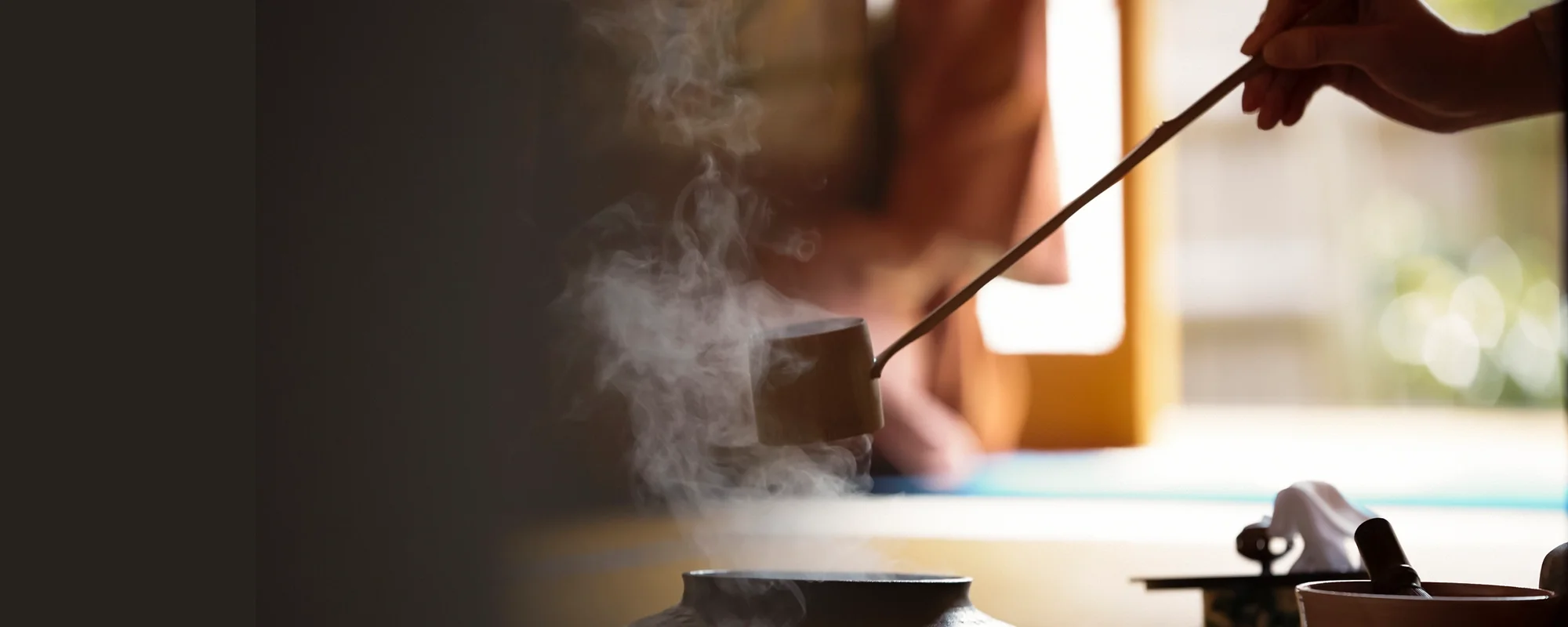
The sense of “Kyoto” offered by luxury hotels extends far beyond their gardens. These properties also provide carefully curated programs that allow guests to experience Kyoto’s culture without venturing into crowded tourist areas. What distinguishes these experiences is that they are not designed for passive observation, but for active participation—learning rather than simply watching.
At HOTEL THE MITSUI KYOTO, guests can take part in experiences rooted in the city’s heritage, such as wearing kimono crafted by HOSOO, a leading Nishijin textile house, or joining meditation sessions on a veranda overlooking the garden. These moments of cultural immersion offer a rare sense of calm, far removed from everyday life.
The Ritz-Carlton, Kyoto connects culture and nature through a wide range of activities, including traditional craft workshops at artisans’ studios, Japanese confectionery making, and cycling along the Kamo River. Designed for participation across generations, these programs enable families to share a quiet, meaningful journey together.
In Arashiyama, Suiran, a Luxury Collection Hotel, Kyoto is known for its deeply local approach. Intimate, small-group programs that encourage interaction with Japanese craftsmen are among its most popular offerings, adding depth and authenticity to the travel experience.
Returning to Higashiyama, Four Seasons Hotel Kyoto hosts tea ceremonies in the garden-facing teahouse Shakusui-tei, along with ikebana and kintsugi workshops. Kintsugi—the art of repairing broken pottery with lacquer and gold—embodies a Japanese aesthetic that finds beauty in imperfection. These programs invite guests to appreciate Kyoto’s refined sensibility, where depth and quiet resonance are valued over outward brilliance.
Letting Time Lead the Journey — The Quality of Travel Lies in When, Not Where.
The most effective way to avoid crowds is to be mindful of when you go. Simply changing the time of day can transform the atmosphere of the same place entirely. The lively energy of daytime and the stillness of early morning, before the city awakens, reveal two very different faces of Kyoto.
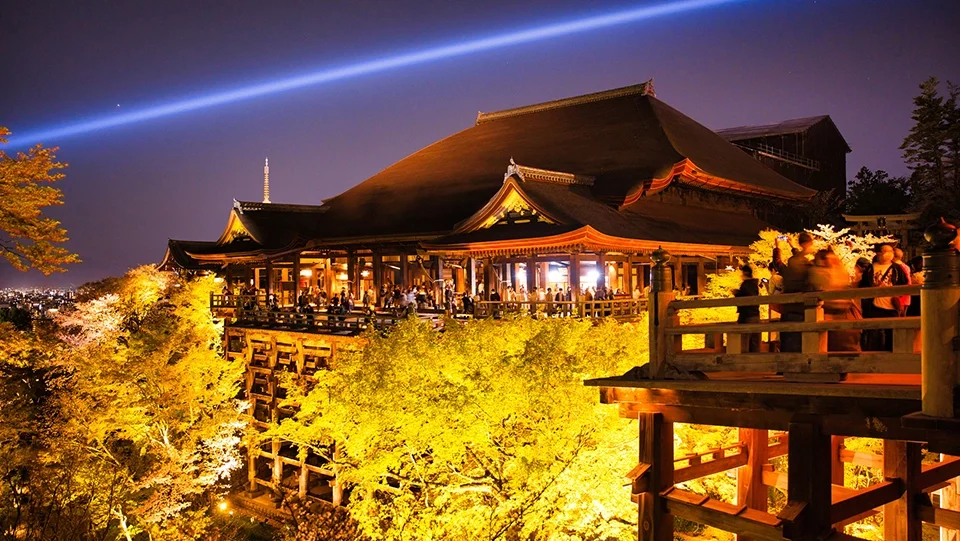
This contrast is especially striking around Kiyomizu-dera Temple and the Higashiyama district, where the quiet just after the gates open is truly exceptional. At Four Seasons Hotel Kyoto, guests can enjoy early-morning walks through Higashiyama by private rickshaw. Passing through the gently sloping Sannenzaka in the morning mist, with few people around, and gazing toward Kiyomizu-dera Temple bathed in the first light of day offers an encounter with “another Kyoto” unseen during the day.
Seasonal nighttime temple openings—such as those at Kiyomizu-dera Temple, Kodaiji Temple, and Shoren-in, mainly in spring and autumn—are equally rewarding. The interplay of light and shadow creates a dreamlike world, where lanterns reflected on water and softly illuminated autumn leaves quiet the memory of daytime crowds. Walking in near silence, hearing only your own footsteps, becomes a rare and intimate experience.
Park Hyatt Kyoto is designed to embrace this sense of time’s transition within the hotel itself. Located beside Kodaiji Temple, it offers sweeping views of Yasaka Pagoda. At dusk, the silhouette of the pagoda against the crimson sky allows guests to experience Kyoto’s evening beauty without ever stepping outside.
.webp)
In the next column, we turn our attention to wellness experiences that gently restore body and mind.