

Hakone, Gora — A Refined Escape into Hakone’s Quieter Side
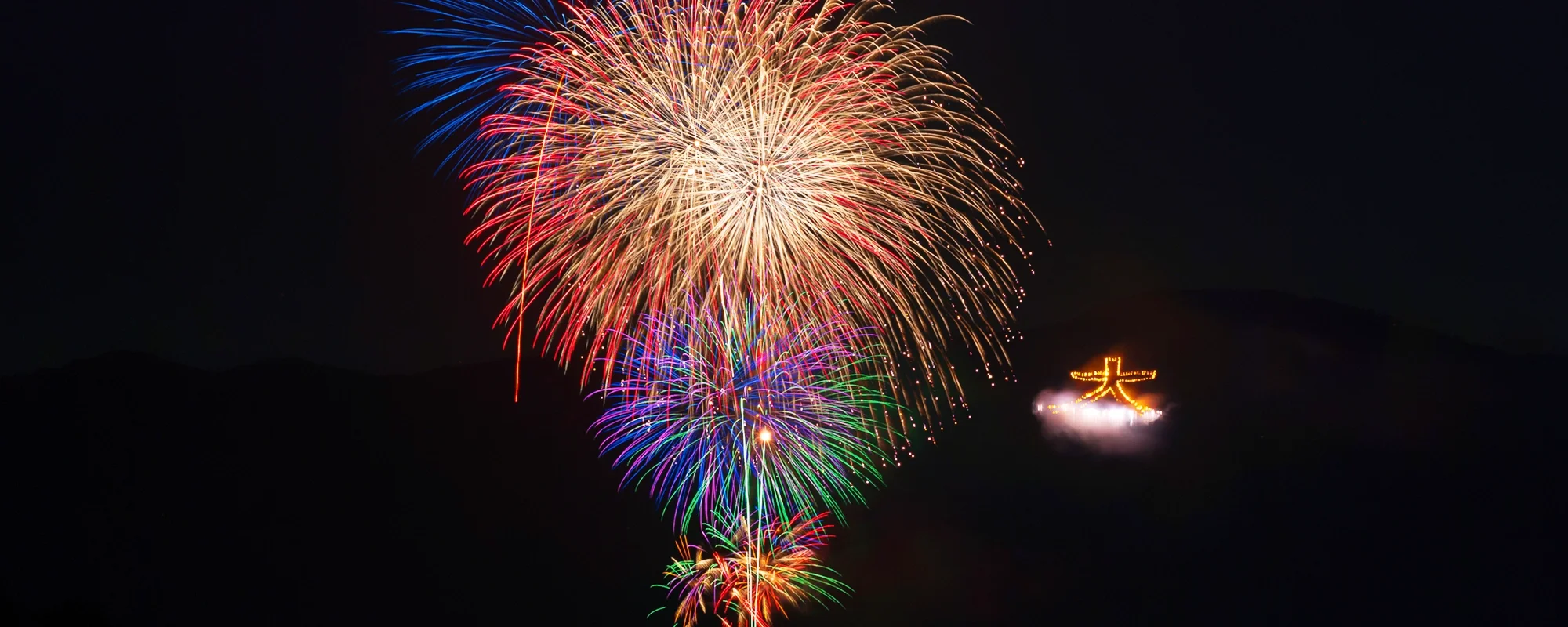
Hakone, the hot-spring resort town closest to Tokyo, welcomes visitors of every age and background. Yet some may still associate it with an energy that feels lively—perhaps even a little too lively to fully unwind. For those seeking a quieter, more composed side of Hakone, Gora is the destination to know. Located at the terminus of the Hakone Tozan Railway and tucked deep within the Hakone mountains, Gora is chosen by those who value stillness. It is a place for travelers who prioritize staying over sightseeing—an address for those who come not simply to visit Hakone, but to settle into it.
Just Two Hours by Train, 90 Minutes by Car from Tokyo—An Effortless Escape from the Everyday
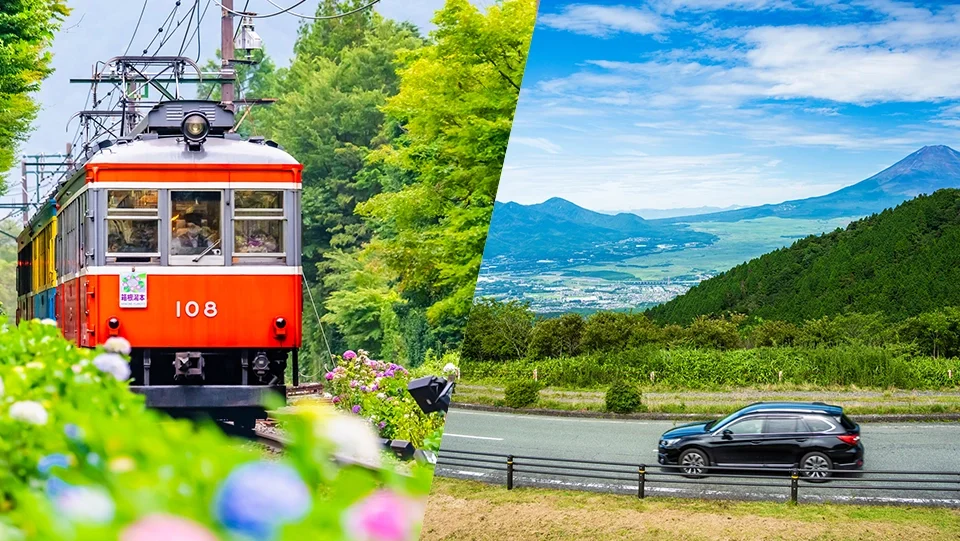
Although we introduced Gora as the “deepest” part of Hakone, this refers only to its position within the Hakone area. Access from central Tokyo is still highly convenient. From Shinjuku, it is just over two hours away: approximately 90 minutes to Hakone-Yumoto by Odakyu’s limited express, followed by a transfer to the Hakone Tozan Railway and a further 40 minutes to Gora. The mountain railway itself is part of the pleasure—switchbacking up steep gradients past ravines, bridges, and scenic viewpoints that make the journey feel like a true escape.
Driving is equally effortless. Via the Tomei Expressway and the Odawara–Atsugi Road from Tokyo IC, Gora can be reached in around 90 minutes in light traffic. The comfort of traveling by car—enjoying music, unhurried conversation with family or friends, and the ease of moving with luggage or small children—also offers greater freedom once you arrive.
And because the journey does not demand long hours, Hakone’s signature advantage remains: time. Arrive early, sink straight into the onsen, take a gentle garden stroll, and begin your stay with a sense of spaciousness. Even a short weekend break can feel deeply satisfying here.
A Tradition of Aesthetic Retreats, Giving Rise to an Enduring Serenity
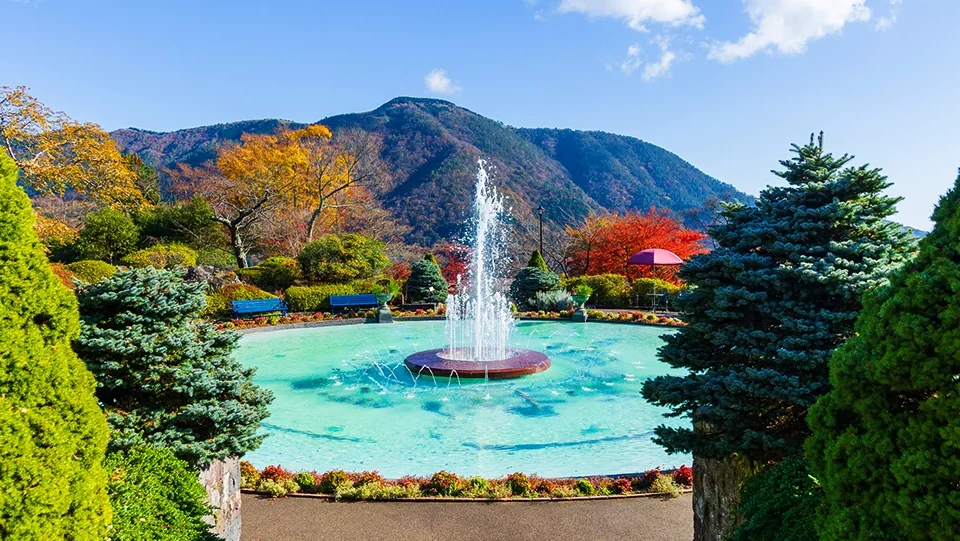
Gora’s long-standing reputation as a place for quiet stays, rather than lively sightseeing, is rooted in the way it was developed. In the 1910s, the Odawara Electric Railway (today’s Hakone Tozan Railway) created Gora as a villa district with hot springs, marking the beginning of its history as a refined retreat. Residential plots were carefully laid out around gardens that still remain today, and the area became lined with second homes owned by leaders in business, politics, and the arts. Many villas were designed for extended stays, and the land was used in a way that prioritized serenity—an environment intended for spending time quietly, in a composed setting.
Records also show that prominent industrialists and cultural figures once stayed here. For example, Takashi Masuda, a Meiji- and Taisho-era entrepreneur and a founder of Mitsui Bussan, established the mountain retreat Hakuundō, where he built a tea room to host guests. Raita Fujiyama, known as the “Sugar King” and the first chairman of the Japan Chamber of Commerce and Industry, also built a villa in Gora during the Taisho period. What drew such figures to this place may have been the stillness it offered—distance from the city’s noise, a setting to restore mind and body, and a quiet in which to devote oneself to thought and creation. Gora was not merely a resort, but a place shaped by contemplation and aesthetic sensibility.
A Sanctuary of Diverse Thermal Waters and Lush Natural Surroundings
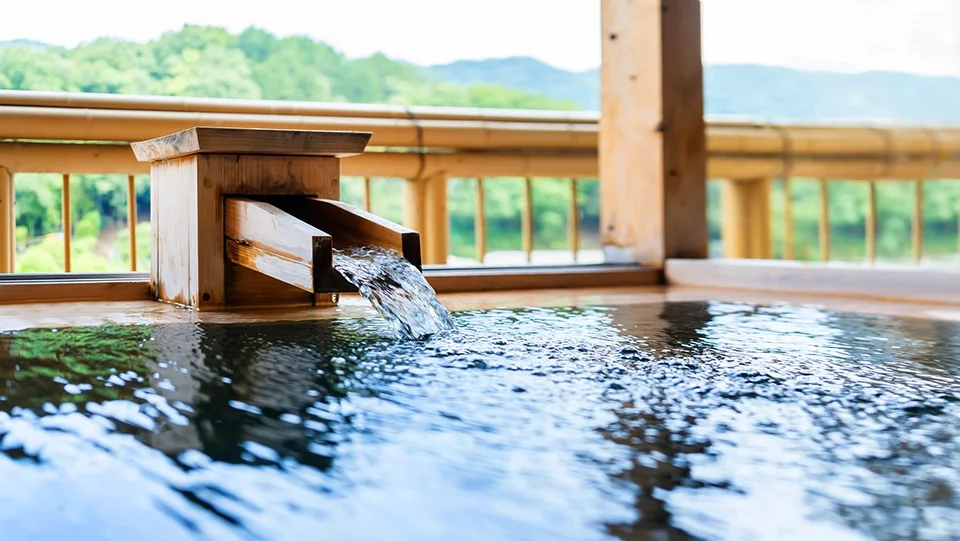
When speaking of Gora’s appeal, the first thing that comes to mind is its onsen. The area is home to numerous hot-spring sources, and the diversity of its waters is among the finest within Hakone. From simple thermal springs to acidic sulfur springs and chloride springs, each has a distinct character. Some visitors enjoy comparing different mineral profiles through onsen-hopping, while others prefer returning to the same bath again and again, letting the warmth seep deeply into the body.
Enhancing the bathing experience even further is Gora’s topography—one that makes the changing seasons especially vivid. At an elevation of around 700 meters, fresh greenery brightens spring, while the rainy season brings moss to life in luminous shades. Summers are cooler than in the city, with a crispness in the morning and evening air. In autumn, foliage colors gardens and mountain slopes, and pampas grass fields ripple softly in the wind. Winter arrives with clear air and, at times, snowfall. To soak in an open-air bath while taking in this seasonal beauty is, in itself, a form of healing.
For those who wish to savor both the quality of the waters and the surrounding nature to the fullest, a stay at a ryokan is highly recommended. In the 2024 Michelin Key selection, three of the four properties chosen from the Hakone area are located in Gora—an endorsement of the exceptional level of hospitality found here.
Rich in Art and Cuisine, Quietly Supporting a Refined Adult Stay
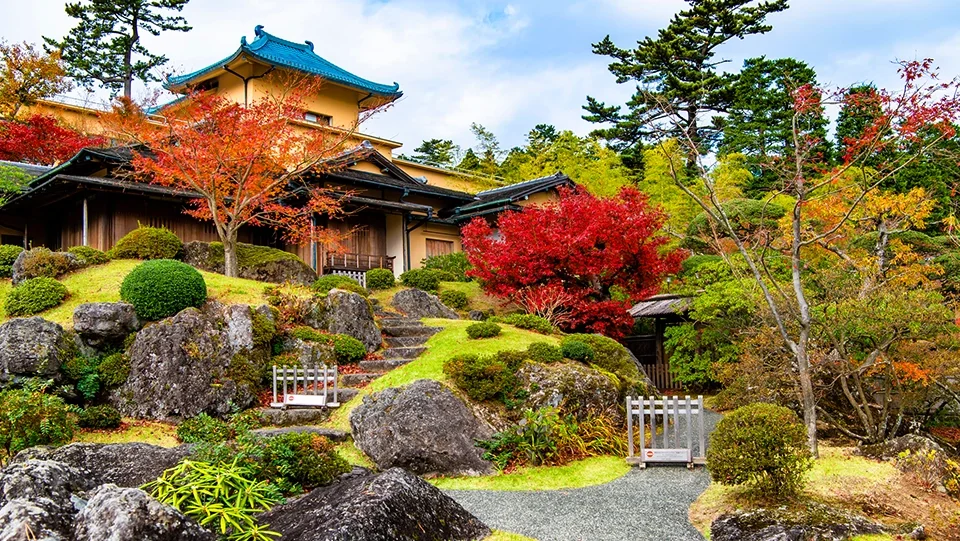
Another defining aspect of Gora is the ease with which guests can engage with art and culture. Museums are scattered throughout the area, offering opportunities to view works in settings that feel like sculpture gardens or Japanese-style landscaped grounds. In particular, museums designed for strolling allow visitors to encounter nature and artworks side by side, moving at their own pace and spending time with each piece in a calm, unhurried atmosphere. Here, the richness often lies not only in time spent indoors, but in the experience of walking—of sensing art as part of the landscape.
Gora’s culinary appeal, meanwhile, is found in the pleasure of local, everyday food. Highland vegetables grown nearby—nurtured by volcanic-ash soil and a favorable climate—are known for their natural sweetness and outstanding quality. Salads and dishes featuring these ingredients are often prepared simply, allowing the flavors of the produce itself to shine, and never grow tiresome. Fresh seafood delivered from nearby ports and locally sourced meats are also served with care. The area is further enriched by numerous local bakeries and wagashi shops, where unpretentious, well-made food quietly supports a sense of “everyday life” within the journey.
Set slightly apart from Hakone’s busiest sightseeing centers, Gora offers a different kind of abundance—one defined not by noise and spectacle, but by depth, calm, and understated pleasure.