

Hakuba, Rediscovered — Where Mountain Resorts Meet Their Future
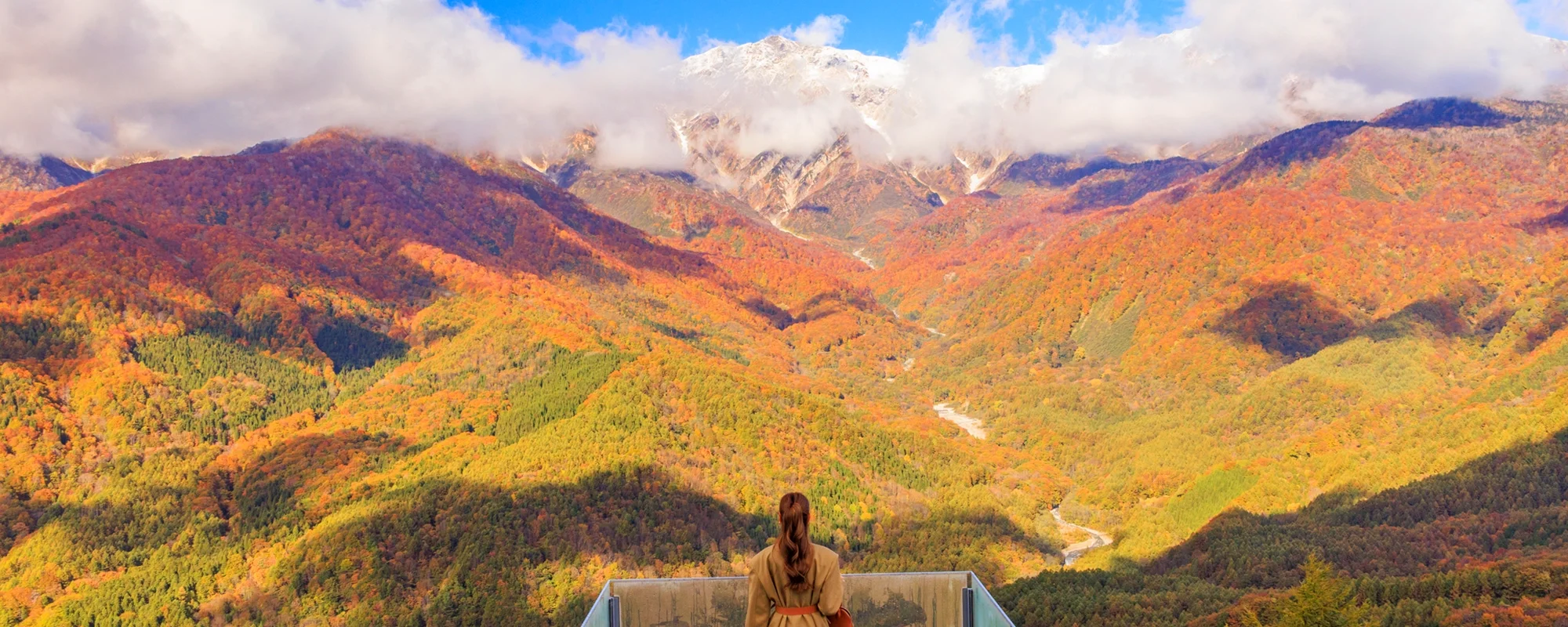
Nestled in northwestern Nagano at the foot of the Northern Alps, the Hakuba area has long been known as a destination for skiing and mountaineering. Precisely because it has been beloved for so many years, many may still associate it with the image of a more traditional resort. Yet in recent years, its value has been reassessed, and Hakuba is once again drawing renewed attention both in Japan and abroad.
Tradition and Renewal — Hakuba’s Journey as an Evolving Alpine Resort
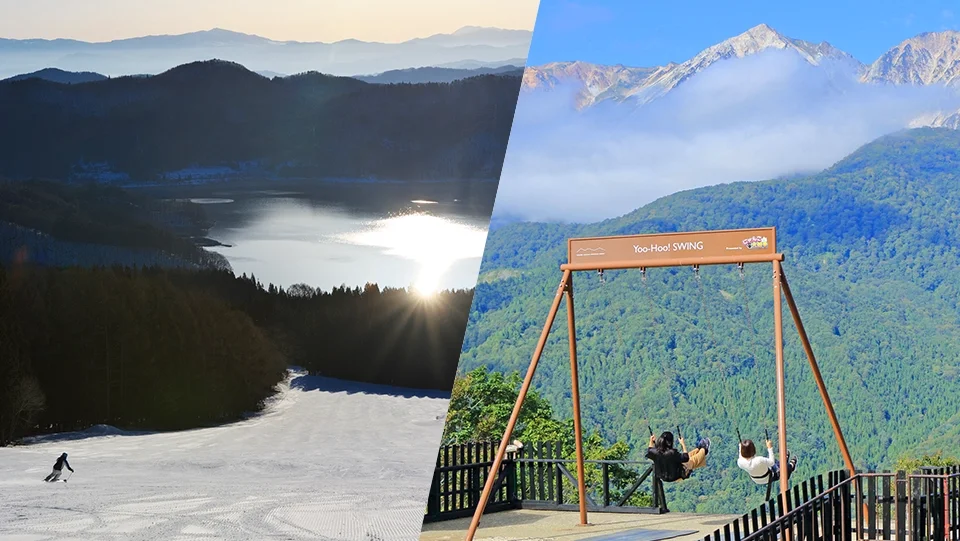
Although Hakuba is once again attracting renewed attention, its essential appeal has not fundamentally changed. Its greatest asset remains, as ever, its extraordinary natural environment. The Northern Alps—anchored by the Hakuba Sanzan and a chain of peaks rising above 3,000 meters—offer some of the most dramatic alpine scenery in Japan. The region’s renowned powder snow, long cherished by skiers, also remains as exceptional as ever.
Accessibility, too, continues to be one of Hakuba’s enduring strengths. From the Tokyo metropolitan area, it can be reached via the Shinkansen, limited express trains, or highway buses, making it a realistic destination even for a weekend escape. It is likewise easily accessible from major cities such as Nagoya and Osaka, whether by rail or by car.
What has evolved is the way in which this natural abundance is being more actively leveraged. In recent years, Hakuba has been shifting toward a year-round resort model, moving beyond its reliance on winter alone. By refining its green-season offerings, the area now attracts increasing numbers of visitors from summer through autumn. At Hakuba Iwatake Mountain Resort, for example, summer visitor numbers have even surpassed those of the winter season, signaling the emergence of a new tourism dynamic.
At the same time, international visitation has grown significantly. Hakuba Village has been selected as one of the UN World Tourism Organization’s “Best Tourism Villages,” recognized globally for promoting tourism while preserving its natural environment and local culture.
In this way, by retaining its long-established strengths while cultivating new ones, Hakuba is now being rediscovered and re-evaluated as a next-generation mountain resort.
Unprecedented Hospitality Arrives — A Wave of New Developments Follows
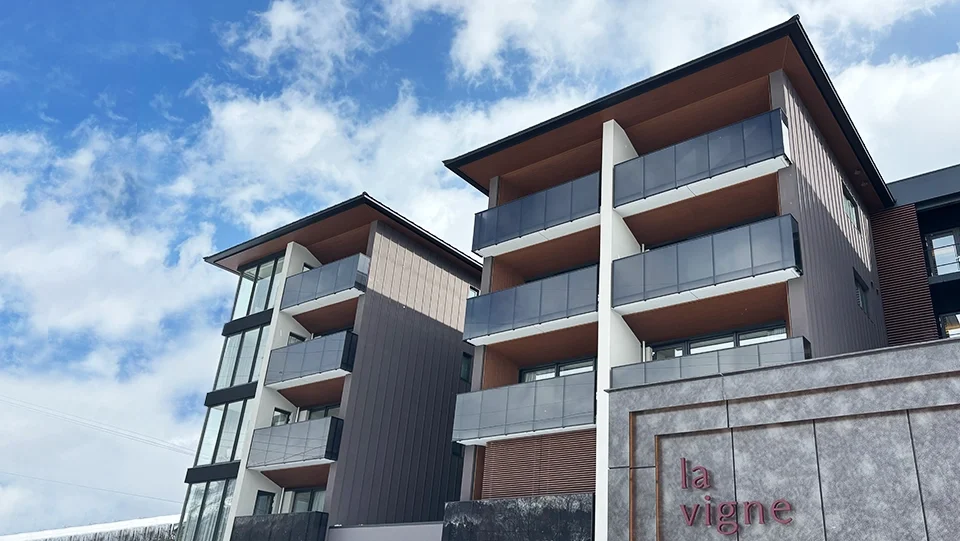
Hakuba’s growing prominence is also reflected in its increasingly active development. Around Hakuba Station, redevelopment projects are underway, enhancing its convenience as a key tourism hub. At the same time, the quality of accommodation is steadily evolving.
Traditionally, Hakuba has been home to a wide range of lodging—from long-established ryokan and mid-range hotels to pensions—contributing to its unpretentious mountain-resort charm. While this atmosphere remains part of its appeal, a new generation of accommodations has recently begun to emerge alongside it.
A symbolic example is Hotel La Vigne Hakuba, operated by Onko Chishin, a company known for curating distinctive hospitality experiences across Japan. This property has drawn attention for seamlessly combining the natural beauty of the Northern Alps with a refined, contemporary stay. The arrival of such a hotel in a destination long defined by traditional mountain tourism signals Hakuba’s transition into its next phase.
Multiple development projects are currently progressing in parallel, and the townscape continues to evolve in real time. While Hakuba remains a destination cherished for generations, its value is being reassessed, and investment activity is beginning to accelerate once again.
Every Season, Every Rhythm — An Expanding Spectrum of Experiences
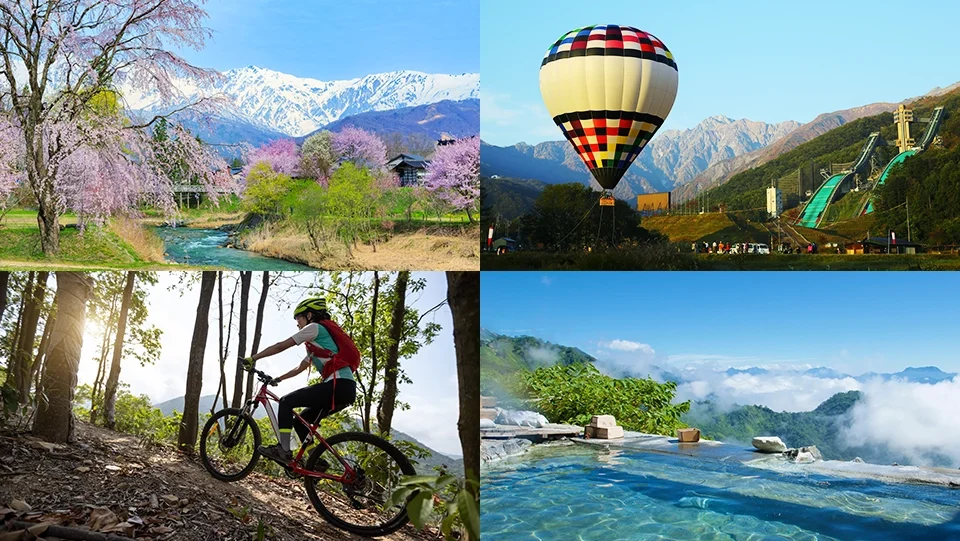
Finally, let us turn to how Hakuba can be enjoyed today.
To begin with, skiing remains central. Hakuba is one of Japan’s premier ski destinations, and in recent years, infrastructure has been further enhanced to ensure an even more comfortable experience. The expansive ski domain known as HAKUBA VALLEY brings together ten resorts, all interconnected by shuttle buses, allowing visitors to explore multiple slopes with ease throughout their stay.
Beyond winter, the green season reveals Hakuba as a mountain resort rich in possibilities. With the snow gone, the grandeur of the Northern Alps can be experienced through a wide range of activities—from trekking and mountaineering to mountain biking. Experiences such as tethered hot-air balloon rides offer a more intimate encounter with nature, while the area’s scattered hot springs provide the perfect way to unwind and restore the body.
Hakuba is also blessed with scenic spots that showcase the beauty of each season. Happo Pond on Happo-one is renowned for its mirror-like reflections of the Northern Alps, creating a truly iconic view. At Oide Park, a suspension bridge, thatched-roof houses, and alpine peaks come together to form a quintessentially Japanese landscape. Meanwhile, Tsugaike Nature Park invites visitors to stroll through wetlands filled with alpine flora in bloom.
With its enduring natural grandeur complemented by new facilities and activities, Hakuba continues to deepen its appeal. The reason this long-established mountain resort is once again drawing attention may well lie in this very evolution—where timeless beauty meets thoughtful renewal.