

Three Destinations, Three Local Cultures: An Autumn Journey through Karuizawa, Hakone, and Kyoto
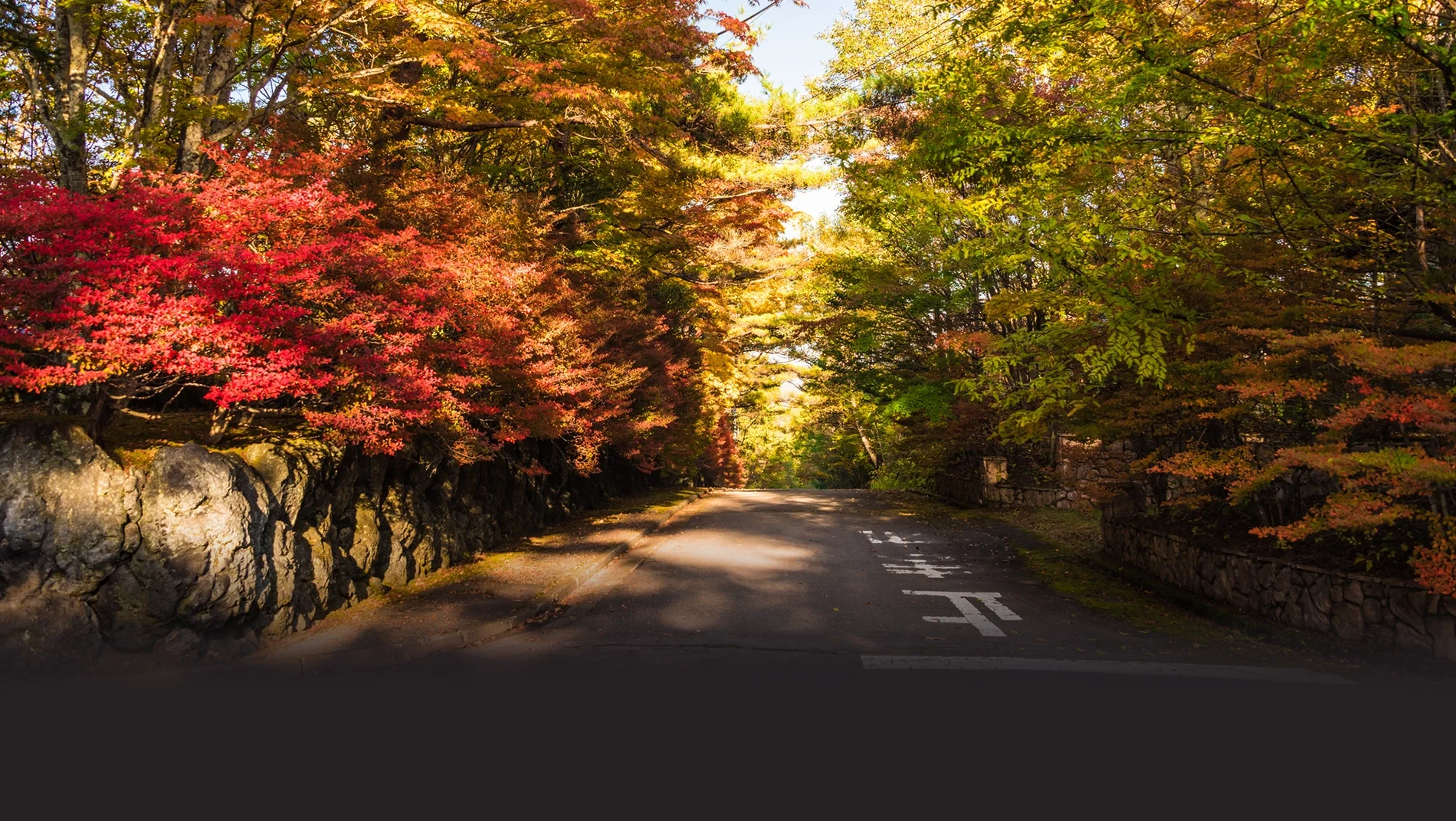
As the leaves turn and the weather invites leisurely walks, autumn reveals the culture rooted in each destination through its streetscapes and seasonal flavors. In Karuizawa, international exchange shaped a distinctive food culture; Hakone carries the legacy of the old highway and hot-spring retreats; and Kyoto preserves seasonal traditions in its homes and cuisine. Tasting the harvest, experiencing local festivals, and discovering time-honored ways of preparing for winter can add new depth to a journey. This autumn, explore the history and everyday culture of these three destinations.
Karuizawa | An Autumn Food Culture Shaped by Cross-Cultural Exchange

Karuizawa’s resort culture is rooted in a long history of welcoming visitors. Once a post town on the Nakasendo during the Edo period, it developed into a summer retreat for foreign residents in the Meiji era. Missionary Alexander Croft Shaw, who visited in 1886 and shared its charms with others, played an important role in establishing its reputation.
Jam offers a familiar reminder of this cultural exchange. Sawaya, founded as a produce shop in 1952, supplied fruit and vegetables to the villas of foreign missionaries and began making jam in response to their requests. Each jar carries a story shaped by visitors and local enterprise.
In autumn, look for seasonal varieties such as Jonathan apple, Kyoho grape, prune, and Japanese chestnut. Sawaya also offers reservation-only jam-making workshops using fresh domestic fruit, with ingredients changing according to the harvest. Making a jar by hand is a memorable way to bring a taste of Karuizawa’s food culture home.
Hakone | Tracing the Old Highway and a Tradition of Hospitality
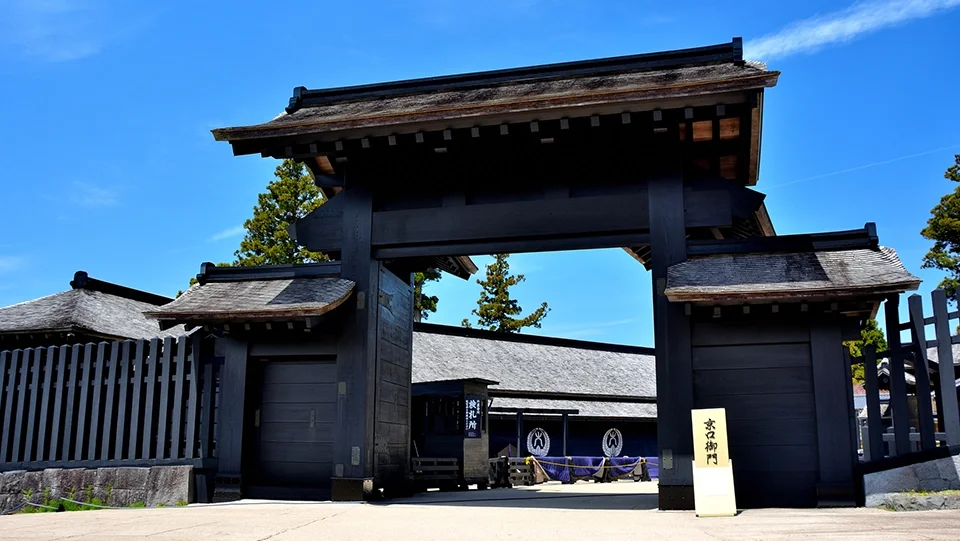
Walking through Hakone’s hot-spring towns brings to mind the travelers who once journeyed along the Tokaido. During the Edo period, Hakone flourished as a key mountain stop, and by the late Edo era, spending a night at the hot springs had become part of the journey. Pilgrims bound for Ise and Mount Fuji also passed through, supported by the area’s inns and baths.
This history comes vividly to life on November 3 with the Hakone Daimyo Procession, scheduled to return to Hakone-Yumoto in 2026. Begun in 1935, the event recreates the processions of feudal lords under the sankin-kotai system. In its early years, local carpenters and inn staff took part, helping preserve the town’s heritage of travel through the generations.
The old Tokaido offers a quieter connection to the past. After following its stone-paved route, stop at the Edo-era Amazake Chaya for sugar-free amazake made from rice and rice koji. A warm cup and a soak in the hot springs amid the cool autumn air offer a taste of Hakone’s enduring culture of travel and hospitality.
Kyoto | Autumn Traditions Woven into Machiya Townhouses and Seasonal Sweets
In Kyoto, the details of traditional machiya townhouses reveal the culture of everyday life. Latticed facades provide light and security, while folding battari shogi benches were used to display goods or offer a place to sit. Designed for both living and working, machiya reflect generations of ingenuity in commerce and daily life.
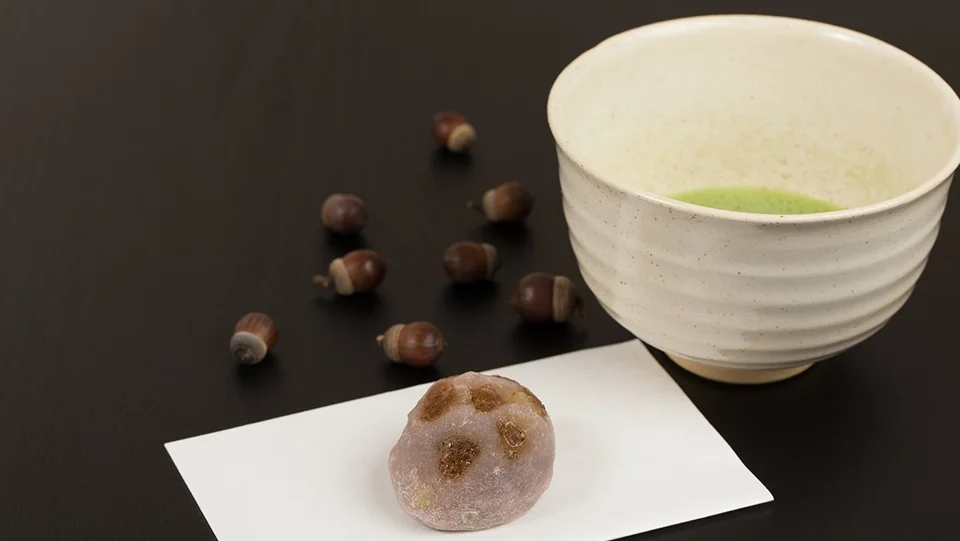
As autumn deepens, look for inoko mochi at local confectionery shops. Traditionally eaten around November to pray for health and prosperity, these sweets resemble young wild boars. The boar was associated with water and protection from fire, giving rise to the custom of beginning to use hearths and kotatsu on the Day of the Boar.
November also brings ohitaki fire rituals at shrines, held in gratitude for the harvest and for protection from misfortune. Some include offerings of flame-stamped ohitaki manju, reflecting the close ties between food and prayer. Through machiya, seasonal sweets, and local customs, Kyoto’s autumn can be experienced through the rhythms of everyday life.
Knowing the culture of a place changes the way you see its streets—and even the familiar flavors you encounter there. This autumn, take time to discover the traditions local communities have long cherished. The stories you find may give you yet another reason to return.