

Hawaiian Real Estate as an Asset (Part 2) — Why Hawaiian Real Estate Deserves Consideration as a Diversification Strategy
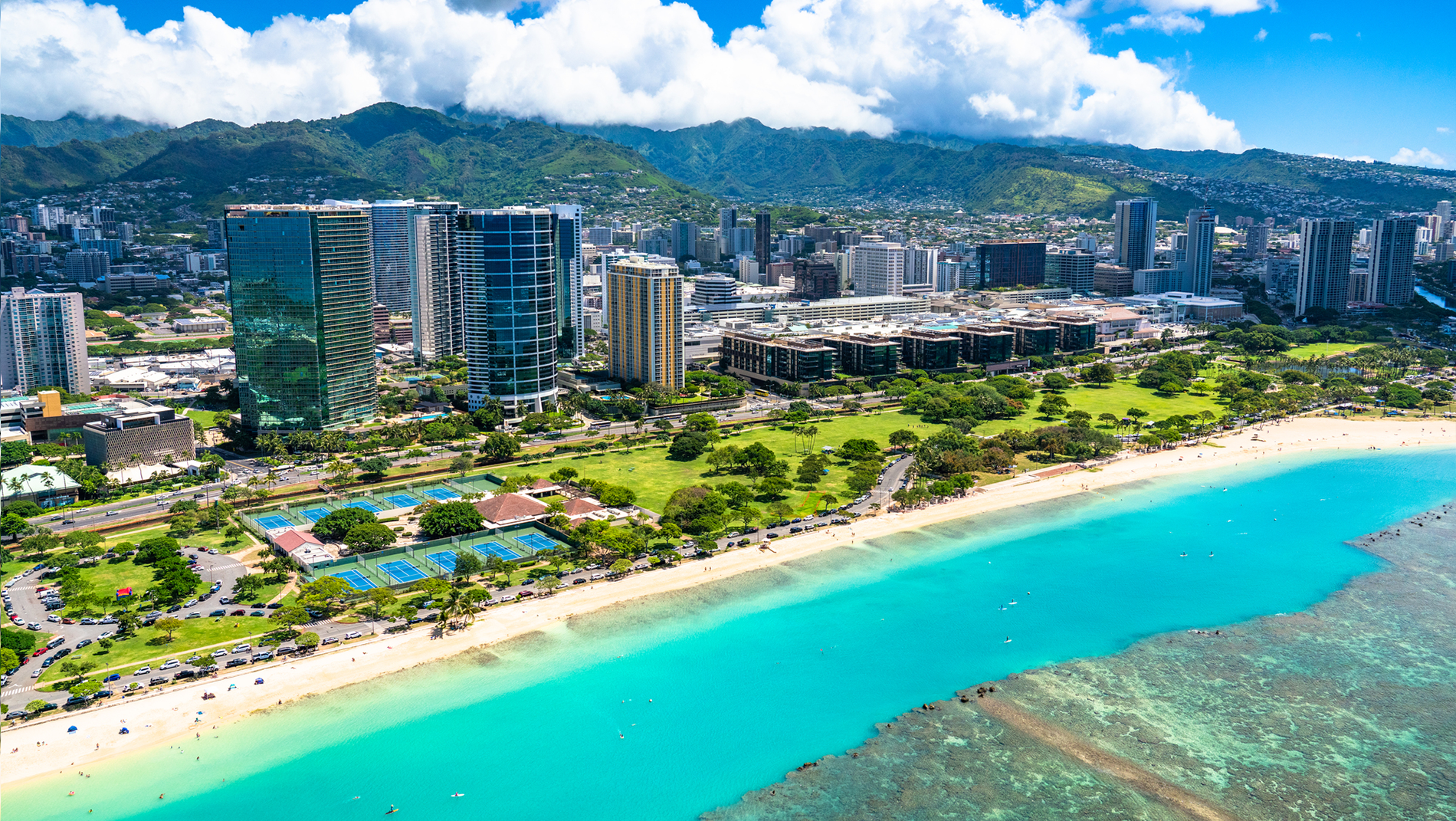
In Part 1, we explored why Hawaiian real estate continues to attract buyers from around the world and why it has long been regarded as a valuable option for wealth preservation
In Part 2, we take a closer look at the potential of Hawaiian real estate today as an option for protecting and diversifying your assets.
The Foundation of Wealth Preservation Is Asset Diversification
.webp)
For those still building wealth, the primary focus of asset management is often growth. Once a certain level of wealth has been accumulated, however, it becomes equally important to shift one’s perspective toward preserving that wealth and passing it on to the next generation.
In practice, many high-net-worth individuals hold a combination of assets with different characteristics—not only stocks and bonds, but also real estate, business interests, and overseas assets. This is not about predicting which asset will generate the highest return, but about avoiding excessive concentration in any one asset class or region. By diversifying their portfolios, they seek to offset declines in some assets with gains in others, or at least preserve a portion of their overall wealth.
For those of us living in Japan, it is easy to become concentrated in yen-denominated assets, such as Japanese yen, Japanese equities, and domestic real estate, often without realizing it. Japan is a stable developed country, but relying on it entirely still carries significant risk. The prolonged depreciation of the yen has likely made this reality clear to many.
Beyond the Weak Yen: Why Hawaiian Real Estate Deserves Attention Now
.webp)
As a U.S. dollar-denominated asset, Hawaiian real estate is a strong option for diversification. As of this writing in June 2026, several other factors are also making it an increasingly attractive investment.
U.S. interest rates, which had remained high for some time, appear to have peaked, and mortgage rates are beginning to decline. This could improve market conditions by bringing back buyers who had previously held off due to unfavorable loan terms.
Rising geopolitical risks are also increasing demand, as high-net-worth individuals in Japan and across Asia seek to diversify their assets internationally.
Tourism, which fell sharply during the pandemic, is recovering toward pre-pandemic levels. At the same time, Hawaii’s appeal for extended stays continues to attract multi-location residents and digital nomads, further supporting demand.
A Transparent Investment Environment Suited to Long-Term Ownership
.webp)
In Hawaii, there are no special restrictions on foreign nationals purchasing or owning real estate. The United States also has a well-established legal framework for real estate transactions and ownership, making Hawaii a mature market for international investors.
While laws and tax systems may change in the future, Hawaii has a long track record of welcoming overseas investment. Compared with some emerging markets, where properties may be seized or tax rates raised sharply, the risk of sudden policy reversals is considered relatively low.
Japanese buyers have long been among the most active purchasers of Hawaiian real estate, and have at times ranked first by total purchase value. This transparent investment environment has likely been one reason they have continued to choose Hawaii.
Hawaii Has Its Risks, Too. That Is Why Diversification Matters
.webp)
Of course, Hawaiian real estate also comes with risks. Exchange rate fluctuations can affect its value when converted into yen, and ownership involves ongoing costs such as maintenance fees and property taxes. Real estate is also less liquid than stocks and cannot be bought or sold as quickly.
However, when viewed not as a place to move all assets, but as one component of a diversified portfolio, Hawaiian real estate offers several qualities that can help offset the risks of holding assets concentrated in Japan.
It has long been chosen for its stable demand as a world-class resort destination, its status as a U.S. dollar-denominated asset, its practical value as a tangible asset that can be used and enjoyed, and its relatively stable market suited to long-term ownership.
It is not, of course, a perfect asset. Even so, for those seeking to avoid concentrating their wealth in one place, Hawaiian real estate can be a worthy option to consider.